
| Sl. No. | Date | Day | Holiday |
|---|---|---|---|
| 1. | January 15, 2026 | Thursday | Makara Sankranti |
| 2. | January 26, 2026 | Wednesday | Republic Day |
| 3. | March 19, 2026 | Thursday | Ugadi |
| 4. | March 21, 2026 | Saturday | Ramzan |
| 5. | April 03, 2026 | Friday | Good Friday |
| 6. | April 14, 2026 | Tuesday | Dr. B. R. Ambedkar Jayanthi |
| 7. | April 20, 2026 | Monday | Basava Jayathi / Akshaya Tritiya |
| 8. | May 01, 2026 | Friday | Karmikara Dinacharane |
| 9. | May 28, 2026 | Thursday | Bakrid |
| 10. | August 15, 2026 | Saturday | Independence Day |
| 11. | September 04, 2026 | Friday | Sri Krishna Janmashtami |
| 12. | September 14, 2026 | Monday | Ganesh Chaturthi |
| 13. | October 02, 2026 | Friday | Gandhi Jayanthi |
| 14. | October 10, 2026 | Saturday | Mahalaya Amavasye |
| 15. | October 20, 2026 | Tuesday | Mahanavami, Ayudha Pooja |
| 16. | October 21, 2026 | Wednesday | Vijayadashami |
| 17. | November 10, 2026 | Tuesday | Balipadyami / Deepavali |
| 18. | November 27, 2026 | Friday | Kanakadasa Jayanthi |
| 19. | December 25, 2026 | Friday | Christmas |
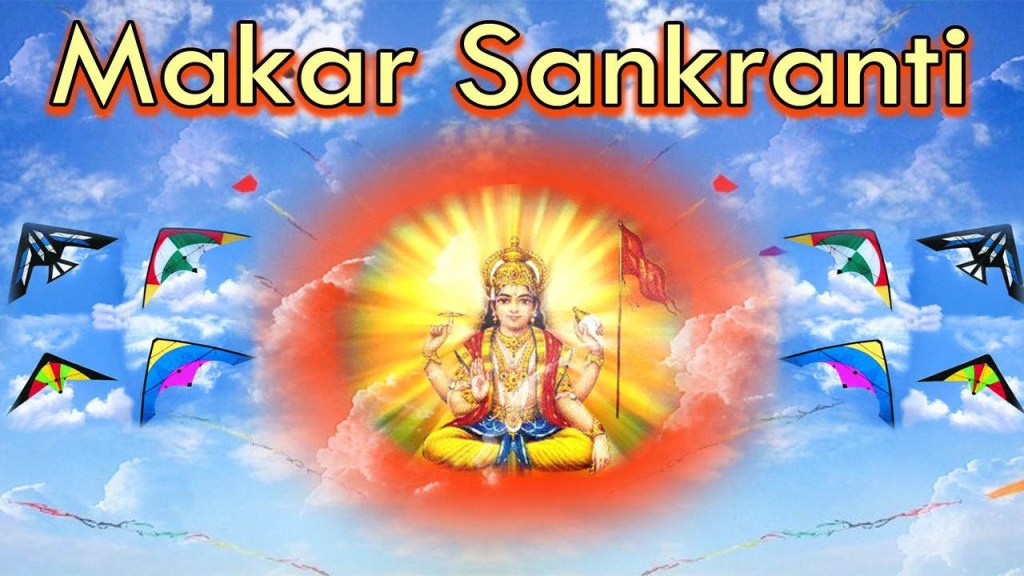
January 15, 2026 – Thursday
— Uttarayana Punya Kala Sankranti Festival
Makar Sankranti, also referred to as Uttarayana, Makar, or simply Sankranti, is a Hindu observance and a festival. Usually falling on the date of 14 January annually, this occasion marks the transition of the sun from the zodiac of Sagittarius to Capricorn.
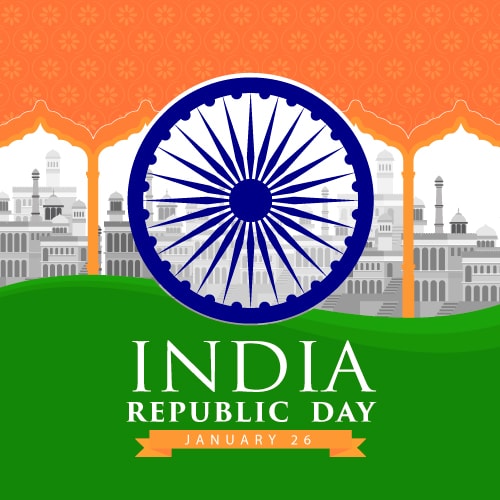
January 26, 2026 – Monday
— Republic Day
Republic Day is not merely a national celebration-it is a tribute to the day our Constitution came into force, shaping India into the world’s largest democracy. It is a moment to honour the ideals that define us and celebrate the progress we continue to make together.
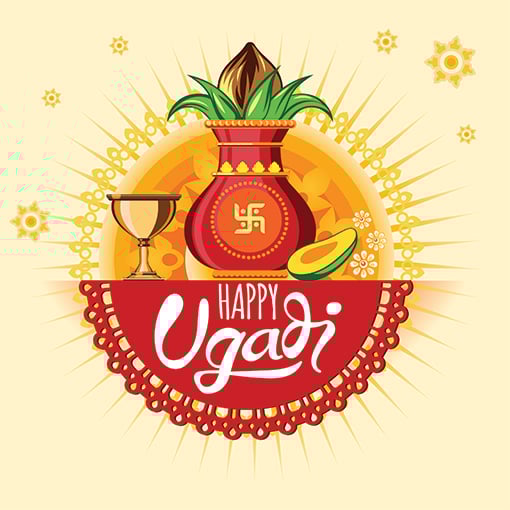
March 19, 2026 – Thursday
— Ugadi
Ugadi (or Yugadi) is the vibrant South Indian New Year, celebrated in Andhra Pradesh, Telangana, and Karnataka, marking the start of the Hindu lunisolar calendar’s Chaitra month, usually in March/April, symbolizing new beginnings, renewal, and prosperity, with rituals like oil baths, prayers, colourful rangolis, special foods like Ugadi Pachadi, and reading the new almanac (Panchanga). It’s believed to be the day Lord Brahma began creating the universe, and it signifies welcoming spring and new opportunities.

April 14, 2025 – Monday
— Khutub-e-Ramzan
The festival of Eid al-Fitr, the Festival of Fast-breaking, is an important religious holiday celebrated by Muslims worldwide that marks the end of Ramadan, the Islamic holy month of fasting. The holiday celebrates the conclusion of the 29 or 30 days of dawn-to-sunset fasting during the entire month of Ramadan. As the date of Eid depends on the sighting of the moon, there may be variations in the exact date that is celebrated around the world. The announcement of the exact dates of Eid Al-Fitr may not happen until close to the start of Ramadan.
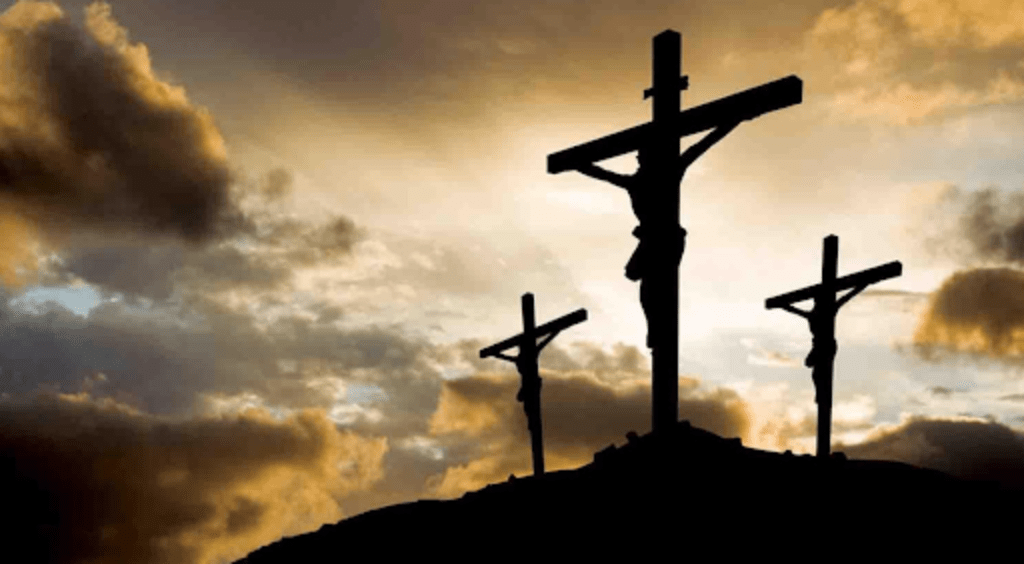
April 03, 2026 – Friday
— Good Friday
Good Friday is a Christian holy day observing the crucifixion of Jesus and his death at Calvary. It is observed during Holy Week as part of the Paschal Triduum. It is also known as Black Friday, Holy Friday, Great Friday, Good Friday of the Passion of the Lord, Great and Holy Friday.
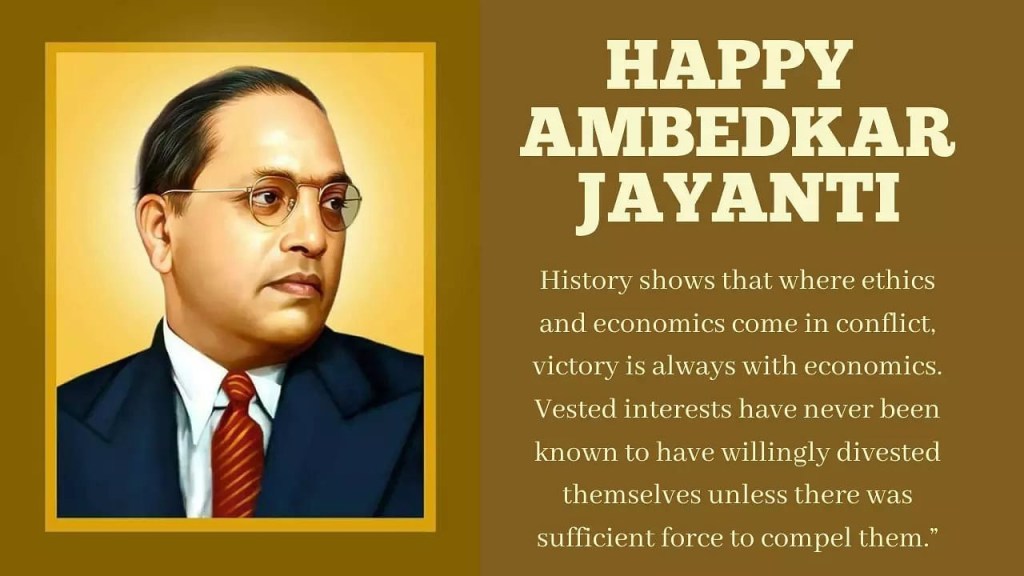
April 14, 2026 – Tuesday
—Dr. B. R. Ambedkar Jayanthi
Dr. B.R. Ambedkar Jayanti, celebrated annually on April 14th, honors the birth anniversary of Dr. Bhimrao Ramji Ambedkar, the chief architect of the Indian Constitution, a visionary jurist, economist, and social reformer who fought for equality and justice for marginalized communities. The day is marked by public holidays, processions, seminars, and cultural events across India, commemorating his immense contributions to democracy, human rights, and social justice.
April 20, 2026 – Monday
—Basava Jayathi / Akshaya Tritiya
Akshaya Tritiya, also known as Akti or Akha Teej, is an annual Jain and Hindu spring festival. It falls on the third tithi of the bright half of the Hindu month of Vaisakha.

May 01, 2026 – Friday
—Karmikara Dinacharane
International Workers’ Day, also known as Labour Day in some countries and often referred to as May Day, is a celebration of labourers and the working classes that is promoted by the international labour movement and occurs every year on 1 May, or the first Monday in May.
May 28, 2026 – Thursday
—Bakrid
Eid al-Adha, commonly translated as the Feast of Sacrifice and also known as Yawm an-Nahr, is the second of the two main Islamic holidays alongside Eid al-Fitr.
August 15, 2026 – Saturday
—Independence Day
The Independence Day of India, which is celebrated religiously throughout the Country on the 15th of August every year, holds tremendous ground in the list of national days, since it reminds every Indian about the dawn of a new beginning, the beginning of an era of deliverance from the clutches of British colonialism of more than 200 years.
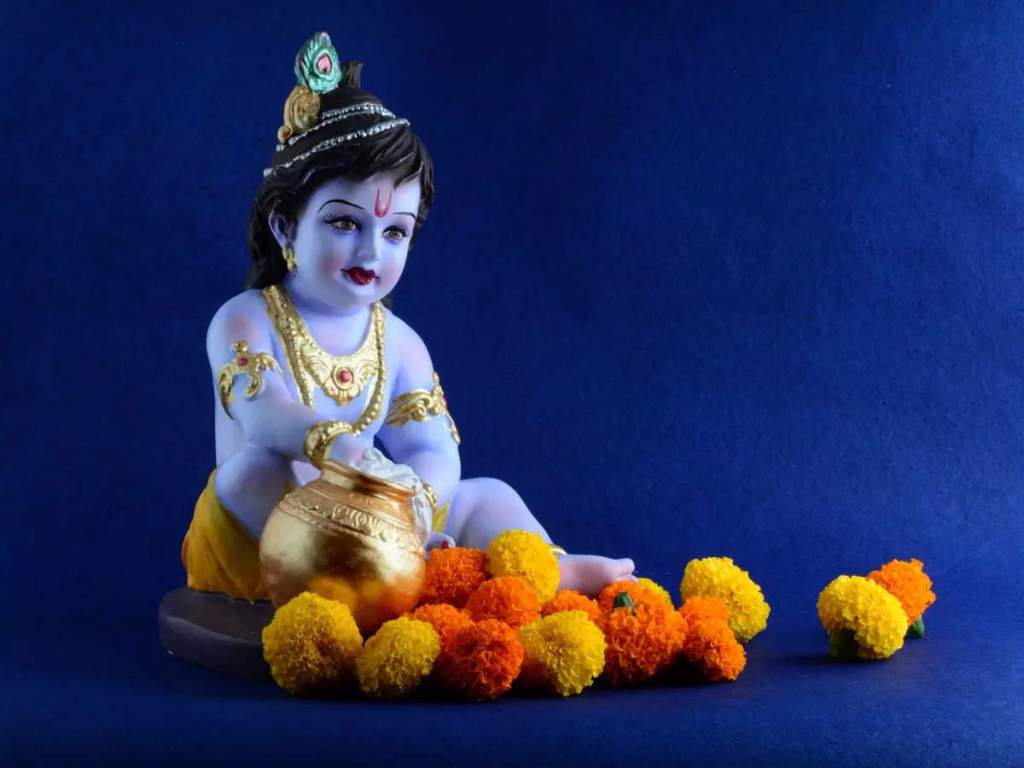
September 04, 2026 – Friday
—Sri Krishna Janmashtami
Krishna Janmashtami, also known simply as Krishnashtami, Janmashtami, or Gokulashtami, is an annual Hindu festival that celebrates the birth of Krishna, the eighth avatar of Vishnu. In certain Hindu texts, such as the Gita Govinda, Krishna has been identified as supreme God and the source of all avatars.
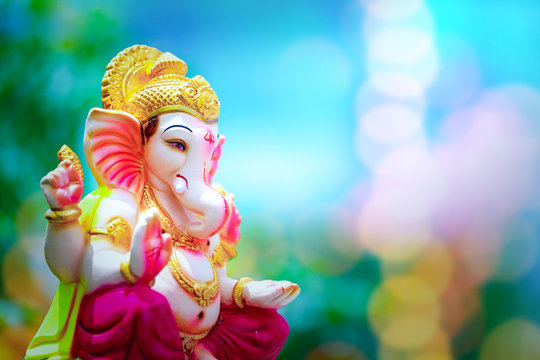
September 14, 2026 – Monday
—Ganesh Chaturthi
Ganesh Chaturthi, also known as Vinayaka Chaturthi or Vinayaka Chavithi or Vinayagar Chaturthi, is a Hindu festival that tributes Hindu deity Ganesha. The festival is marked with the installation of Ganesha’s clay murtis privately in homes and publicly on elaborate pandals.
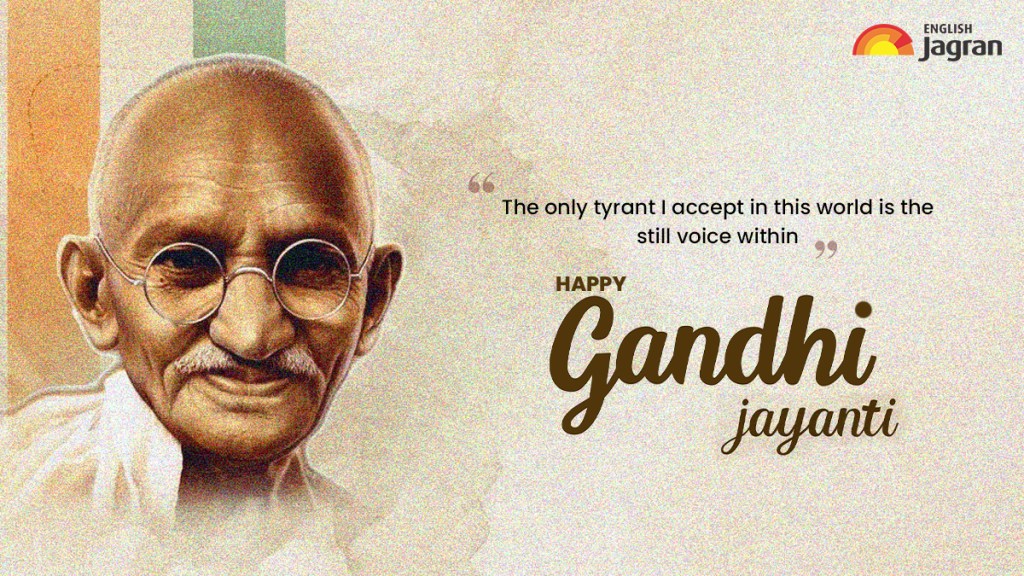
October 02, 2026 – Friday
—Gandhi Jayanthi
Gandhi Jayanti is an event celebrated in India to mark the birthday of Mahatma Gandhi. It is celebrated annually on 2 October, and is one of the three national holidays in India. The United Nations celebrates the day as International Day of Non-Violence.
October 20, 2026 – Tuesday
—Mahanavami, Ayudha Pooja
Maha Navami holds spiritual significance as the culmination of Goddess Durga’s nine-day battle against the demon Mahishasur. It symbolises the victory of good over evil and is considered auspicious for commencing new endeavours on Vijaya Dashami.
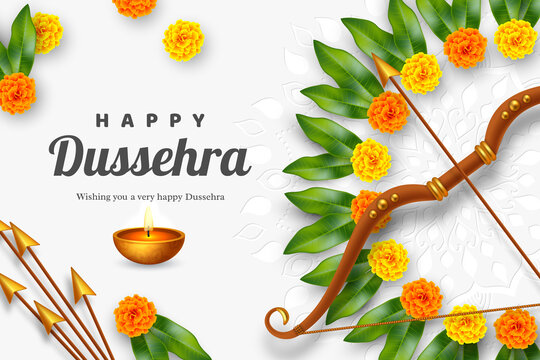
October 21, 2026 – Wednesday
—Vijayadashami
Vijayadashami, more commonly known as Dussehra, and also known as Dasara or Dashain, is a major Hindu festival celebrated every year at the end of Durga Puja and Navaratri. It is observed on the tenth day of the month of Ashvin, the seventh in the Hindu lunisolar calendar.
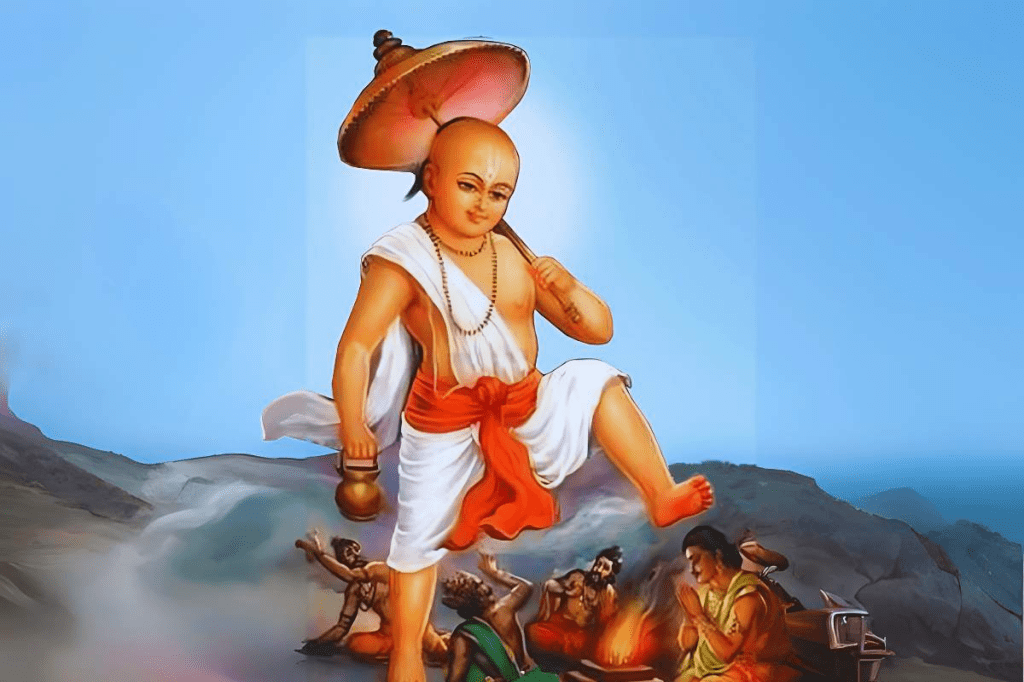
November 10, 2026 – Tuesday
— Balipadyami / Deepavali
Balipadyami, also known as Deepavali or Diwali, is a Hindu festival that is celebrated throughout India and by Hindus around the world. It is observed on the fifteenth day of the month of Kartik, which is usually in October or November in the Gregorian calendar

December 25, 2026 – Friday
—Christmas
Christmas is an annual festival commemorating the birth of Jesus Christ, observed primarily on December 25 as a religious and cultural celebration among billions of people around the world.
 Sri Ramakrishna Credit Co-Operative Society Ltd.